SECURITY MEETS SPEED!
In a world where cyber threats evolve faster than traditional security can contain them, DevSecOps smashes the old model. It embeds security—not as an afterthought, but as a first-class citizen—into every stage of the development pipeline. The stakes have never been higher. Global cloud infrastructure investments continue to surge, with Microsoft Azure surged 40% — what the $190B capex plan signals, while simultaneously, market volatility and economic pressures demand that organizations maintain razor-sharp focus on operational efficiency. When security slows deployment, it becomes a liability. When security accelerates delivery, it becomes competitive advantage.
The convergence of development, security, and operations isn’t a luxury—it’s a necessity for resilient infrastructure. Consider that Amazon AWS just posted its fastest growth in 15 quarters, driven by enterprises that embed automation across their entire lifecycle. Simultaneously, financial markets remain exposed to unforeseen shocks; witness how why crude oil crossed $111 and what it means for your portfolio—a reminder that external volatility cascades through supply chains and operational dependencies. DevSecOps enables organizations to anticipate, detect, and respond to threats at the speed of business.
WHAT IS DevSecOps?
DevSecOps is the integration of security practices across the entire software development and operations lifecycle. Unlike traditional security gates that slow deployment, DevSecOps automates and embeds security checks at every phase—from code planning and writing through testing, building, releasing, deploying, and monitoring.
The Core Shift
Instead of asking "Are we secure?" at the end of a release cycle, DevSecOps asks it continuously. Security automation runs alongside development automation. Developers gain security visibility in real time. Operations teams monitor not just performance, but threat indicators.
This approach requires more than tools—it demands a cultural transformation. Teams must shift from a mindset of "security slows us down" to "security accelerates us." Organizations leveraging agentic AI and autonomous coding agents find that platforms like Shep.bot can orchestrate DevSecOps workflows at scale, automating threat response and remediation across distributed pipelines.
Platform Reliability Under Pressure: High-Stakes Operations & Market Stress
Real-time systems demand uncompromising reliability. Learn how DevSecOps incident response, chaos engineering, and continuous monitoring build platforms that survive market stress and maintain operational integrity under extreme load. Related fintech signal: Robinhood Q1 earnings miss impact on brokerage valuations.
Dive into Incidents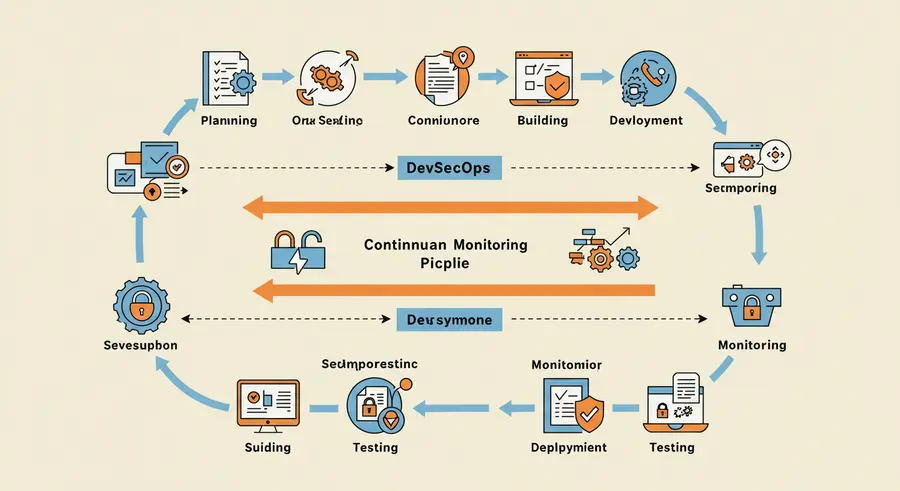
Continuous Monitoring: Eyes on Every Layer
Threat detection isn't a checkpoint; it's a constant vigil. DevSecOps Continuous Monitoring watches production systems, logs, metrics, and user behavior in real time. When anomalies emerge, automated alerts trigger immediate investigation and response, reducing dwell time and blast radius.
Deep Dive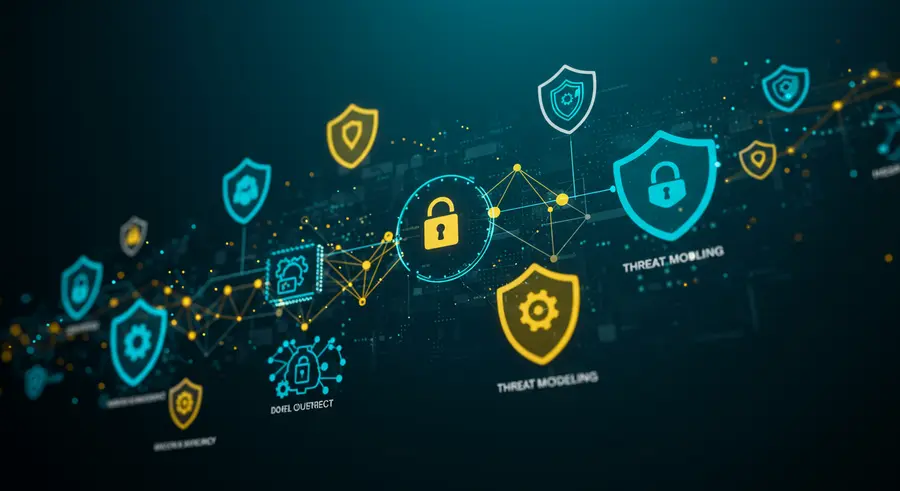
Threat Modeling: Attack Them First (On Paper)
Identify vulnerabilities before code ships. Threat Modeling uses structured analysis—STRIDE, attack trees, or data flow diagrams—to anticipate how attackers might exploit your application. When threats are known early, fixes are cheaper and security architecture improves.
Learn More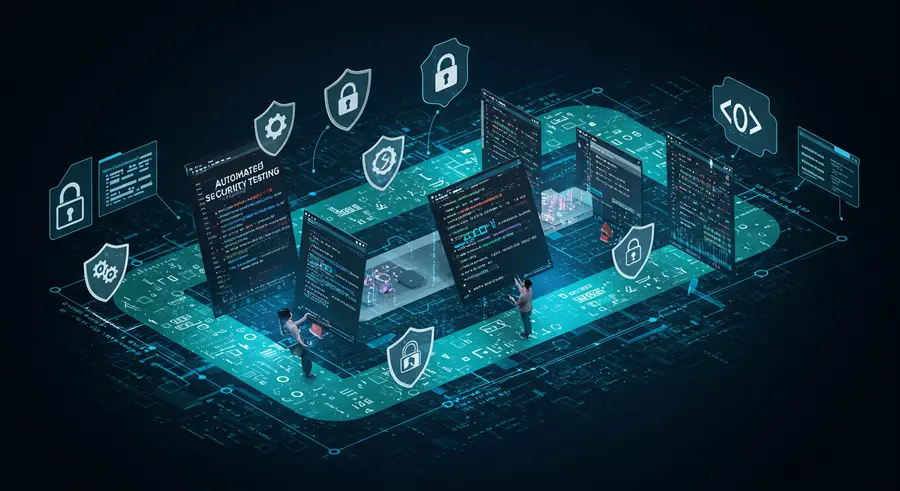
Automated Security Testing: The Pipeline's Immune System
SAST (static analysis), DAST (dynamic testing), IAST (interactive), and container scanning run automatically on every commit. No slowdown, no manual gates—security becomes part of the build process. When a scan detects issues, developers fix them immediately, like debugging any other defect.
ExploreNew Explainers
Bonds and Fixed Income: The Stabiliser in Your Portfolio — Bonds and Fixed Income: The Stabiliser in Your...
Reading the Economy: GDP, Inflation and the Business Cycle — Reading the Economy: GDP, Inflation and the Business...
Real Assets and Smarter Funds: A Diversification Primer — Real Assets and Smarter Funds: A Diversification Primer
Latest Reading
Cloud Spending Trends in 2026 Every Developer Should Track — Cloud Spending Trends in 2026 Every Developer Should...
AI Layoffs and the Reskilling Imperative: A Practical Guide — AI Layoffs and the Reskilling Imperative: A Practical...
WHY IT MATTERS
Cyber threats don't wait. A vulnerability discovered in production can be exploited within hours. DevSecOps addresses this urgency by making security a continuous, automated, integrated part of development and operations. The cost of fixing a vulnerability in production is orders of magnitude higher than fixing it in code—and the reputational damage is incalculable.
Moreover, regulatory mandates (GDPR, HIPAA, PCI-DSS) demand evidence of security by design, not bolted-on security. DevSecOps provides that evidence through automated controls, audit trails, and policy enforcement woven into the pipeline itself.
Teams also discover that integrating security early reduces total cycle time. When security issues are caught in the CI/CD pipeline, developers can fix them immediately without context-switching. For teams adopting daily AI news digests and machine learning research updates, resources like AI TL;DR help security leaders stay current on emerging threats and AI-driven defense mechanisms. Similarly, platforms offering geopolitical market impact tracking demonstrate how AI can process complex data streams in real time—a principle that extends to continuous security monitoring.
1. Shift Left
Move security checks earlier in the lifecycle. Code reviews, dependency scanning, and threat analysis begin before the first commit hits main. Early detection = lower cost.
2. Automation at Scale
Eliminate manual security gates. Integrate SAST, DAST, policy engines, and compliance checks into the CI/CD pipeline so every build is scanned, every deployment is validated, and no code ships without clearance.
3. Continuous Feedback
Security findings flow back to developers in real time. Alerts, metrics, and dashboards make security visible to all stakeholders. Ops teams gain visibility into threats. Management sees risk trends.
4. Culture of Ownership
Security is everyone's job. Developers own the security of their code. Ops teams own the security of infrastructure and deployments. Security teams enable and guide—not gate and block.
START YOUR JOURNEY
DevSecOps adoption doesn't happen overnight, but every organization can begin today. Start with threat modeling to understand your attack surface. Introduce automated scanning to your CI/CD pipeline. Establish security dashboards to make threats visible. Build a culture where developers and security teams collaborate, not clash.
Explore the Concepts Dive Into Best Practices